2026 brings more lip scrubs than ever, from fine sugar blends to balm-like formulas with oils. But a polished label does not guarantee a gentle result. Lips can feel tight or sting after even a brief scrub, especially when they are already dry, cracked, or exposed to cold air. Less can be better.
This guide looks at what makes the best lip scrubs of 2026 worth considering: particle size, texture, ingredient transparency, and how easily the product rinses away. It also explains how to use a lip scrub without irritating skin, with practical steps you can follow at a bathroom sink. Start with damp lips, use a light touch, and keep the massage brief. No hard buffing. A soft washcloth and lukewarm water are usually enough to remove residue; follow with a plain, fragrance-free balm. Price and packaging matter less than a formula you can use gently and stop easily.
If your lips are split, sore, swollen, or actively peeling, skip exfoliation until they settle. Scrubbing over damaged skin may make discomfort worse, and “natural” ingredients can still bother some people. That is easy to forget when a jar smells like vanilla. Patch-testing a new formula and checking its ingredient list are sensible habits, though neither guarantees you will avoid a reaction. Stop using it if burning or redness develops. Persistent or recurring irritation deserves advice from a qualified healthcare professional, not another round of exfoliation. This guide compares options, but your lips may need less than the trend suggests. Often, the simplest routine wins. It is not exciting, but it is useful.
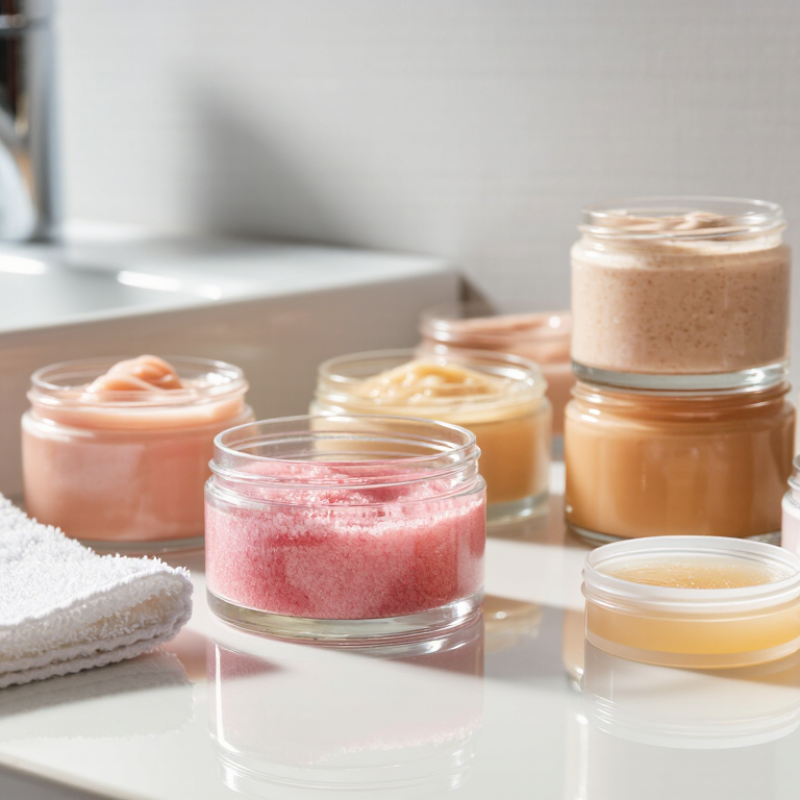
Understand Lip-Skin Sensitivity: The Vermilion Has About 3–5 Cell Layers
2026 Best Lip Scrubs: How to Use Them Without Irritating Sensitive Skin
The vermilion is the colored part of your lips. It has only about three to five cell layers, compared with much thicker facial skin. This thin structure makes lips feel smooth, but it offers less protection against friction, dry air, and strong cosmetic ingredients. Lips also contain fewer oil glands, so moisture disappears quickly. A scrub that feels mild on your cheeks may feel harsh on your lips.
Use a small amount on clean, damp lips. Apply it with one fingertip and almost no pressure. Massage for about 10 seconds, not several minutes. Once a week may be enough for most people. Avoid scrubbing cracked, bleeding, sunburned, or inflamed skin. Stop immediately if you feel sharp stinging. Discomfort is not proof that the product is working.
Keep it simple. Rinse with lukewarm water, then apply a fragrance-free lip balm. Ingredients such as rough sugar crystals, strong acids, essential oils, or cooling agents may increase irritation. Dermatology guidance usually favors gentle care over frequent exfoliation. A patch test near the outer lip can reveal problems, although it cannot predict every reaction. I used to think more exfoliation created smoother lips. That assumption was too simple. Persistent peeling may reflect dermatitis, allergy, dehydration, or another condition, so professional evaluation is safer than repeated scrubbing.
2026 Best Lip Scrubs: How to Use Without Irritating Skin?
The vermilion border of the lips has approximately 3–5 cell layers, making it considerably thinner than most other skin sites. A thinner barrier can be more vulnerable to friction, dryness, and over-exfoliation.
Approximate epidermal cell-layer ranges: vermilion 3–5, thin facial skin 10–15, typical body skin 10–20, and palms or soles 50–100. For lip scrubs, use very light pressure, avoid cracked or inflamed lips, and stop if stinging or redness develops.
Check Ingredients and Avoid Fragrance If Your Lips Are Sensitive
The best lip scrub in 2026 may be the gentlest one. Sensitive lips often react to fragrance, flavor oils, and rough particles. The European Surveillance System on Contact Allergies has reported fragrance allergy in roughly 7–10% of patch-tested dermatitis patients. This figure concerns diagnosed patients, not everyone, but it deserves attention.
Check the ingredient list before exfoliating. Choose fragrance-free formulas with smooth, fine particles and simple moisturizing ingredients. Avoid menthol, peppermint oil, cinnamon oil, and strong flavor blends. “Natural” does not always mean mild. Apply a small amount to damp lips, using one light fingertip pass. Rinse with lukewarm water, then add a plain balm or petrolatum.
Once weekly is usually enough. Never scrub cracked, bleeding, sunburned, or actively irritated lips. Stop immediately if burning lasts beyond a few minutes. The American Academy of Dermatology recommends avoiding irritating ingredients and protecting dry lips with bland moisturizers.
Patch testing a small area can help, although lips may still behave differently. My own rule is imperfect: if a scrub feels satisfying because it stings, I treat that sensation as a warning, not proof that it works. Some peeling may need medical assessment rather than more exfoliation.
Patch-Test New Lip Products for 7–10 Days, per AAD Guidance
Lip scrubs can smooth flaky texture, but friction may worsen dryness, cracks, or contact dermatitis. The American Academy of Dermatology recommends testing new personal-care products on a small skin area twice daily for 7–10 days. This period helps reveal delayed redness, itching, swelling, or burning before applying the product repeatedly to your lips.
Try a pea-sized amount behind the ear or on the inner forearm. Leave the area untouched. Observe it morning and evening. If no reaction appears after 7–10 days, apply a tiny amount to clean lips. Massage lightly for no more than ten seconds. Rinse with lukewarm water, then use a fragrance-free moisturizer.
Never scrub bleeding, sunburned, or visibly cracked lips. Stop immediately if tingling becomes painful. “Natural” ingredients can still irritate sensitive skin. I have found that softer pressure often works better, although personal tolerance varies.
Tips
Patch-test every new lip product separately. Do not test several formulas together. Avoid licking the product off. Check the ingredient list for fragrances, flavor oils, and rough particles. The National Eczema Association highlights fragrance as a common trigger for sensitive skin.
McKinsey’s 2023 beauty-market analysis projected global beauty sales could approach $590 billion by 2027, showing continued demand for at-home products. Market growth does not prove safety. A product can feel polished and still cause irritation.
Keep a simple diary of application dates and symptoms. That small record may prevent repeated mistakes.
Apply Scrub to Damp Lips With Light Pressure; Avoid Cracked or Inflamed Skin
2026 Best Lip Scrubs: How to Use Without Irritating Skin?
Lip scrubs work best on damp lips, not dry ones. Water softens surface flakes and reduces friction during application. Use a pea-sized amount, then massage with one clean fingertip. Keep pressure light. Ten seconds is enough. Rinse with lukewarm water and pat dry, never rub. The American Academy of Dermatology recommends gentle skin care and avoiding irritating products when the barrier feels damaged.
Do not exfoliate cracked, bleeding, swollen, or inflamed lips. Burning is not proof that the scrub is working. It is a warning.
I once scrubbed rough lips repeatedly, expecting smoother results; the skin became tighter and more painful. That approach was wrong. FDA cosmetics adverse-event reporting data also require careful interpretation: reports describe suspected problems, not confirmed causes. Choose a fragrance-free formula with smooth particles, and avoid sharp grains or strong cooling ingredients. Apply a bland lip balm afterward to reduce moisture loss. Use exfoliation occasionally, not automatically every day. If soreness lasts, stop and seek professional advice from a dermatologist. A patch test near the jaw can help, though it cannot predict every reaction. Personally, I would rather leave one small flake alone than create a larger irritation.
Finish With Broad-Spectrum SPF 30+ Lip Balm, as AAD Recommends
A gentle lip scrub can smooth flaky skin, but it should never leave your lips burning or tight. Use it no more than once weekly, especially if your lips are sensitive. Apply a small amount to damp lips and massage with a fingertip for about ten seconds. Rinse with lukewarm water, then pat dry. Avoid scrubbing cracked, bleeding, sunburned, or inflamed lips.
The most important step comes after exfoliation. Apply a broad-spectrum SPF 30 or higher lip balm, as recommended by the American Academy of Dermatology. Broad-spectrum protection helps defend against both UVA and UVB rays. Reapply every two hours outdoors, and sooner after eating, drinking, or swimming. A thin, even layer works better than a quick swipe across the center.
Sun exposure can worsen dryness and visible lip damage, even on cloudy days. I once treated roughness as a problem requiring more exfoliation. That approach made the irritation worse. Less pressure often gives better results. Choose a fragrance-free formula if your lips react easily, and stop using it if stinging continues. Keep the balm within reach, such as in a coat pocket or beside your morning coffee. Visibility helps build the habit.
Conclusion
Because the vermilion—the visible part of the lips—has only about three to five cell layers, it is especially delicate and prone to irritation. When learning how to use a lip scrub without irritating skin, choose a gentle formula and check its ingredients carefully. If your lips are sensitive, avoid added fragrance and introduce any new lip product gradually. Dermatology guidance commonly recommends patch-testing a new product for 7–10 days, observing the skin for redness, burning, swelling, or persistent dryness before regular use.
Apply the scrub only to clean, damp lips, using very light pressure and small, gentle movements. Do not scrub cracked, bleeding, sore, or inflamed skin, as exfoliation may worsen discomfort and delay recovery. After rinsing, apply a moisturizing lip balm, preferably one with broad-spectrum SPF 30 or higher, to help protect the thin lip surface from sun exposure. Limit use to what your lips tolerate, and stop immediately if irritation develops.

 Nebula Beauty