Choosing between lip balm and lip mask can be challenging. Many people wonder, "what is the difference between lip balm and lip mask?" Both products serve to hydrate and protect your lips, but they have distinct purposes.
Lip balms are practical and easy to carry. They provide immediate moisture and form a barrier against environmental factors. However, they may be insufficient for severe dryness or chapping. On the other hand, lip masks are often thicker and designed for more intensive treatment. They typically contain nourishing ingredients that help heal and replenish lips overnight.
Understanding these differences can help you select the right product for your needs. If you often experience dry lips, a lip mask might be a better choice. Yet, it can feel sticky or heavy during the day. Alternatively, if you prefer a light texture for daytime use, a lip balm is ideal. This decision depends on your lifestyle and the specific condition of your lips. Reflect on what works best for you.
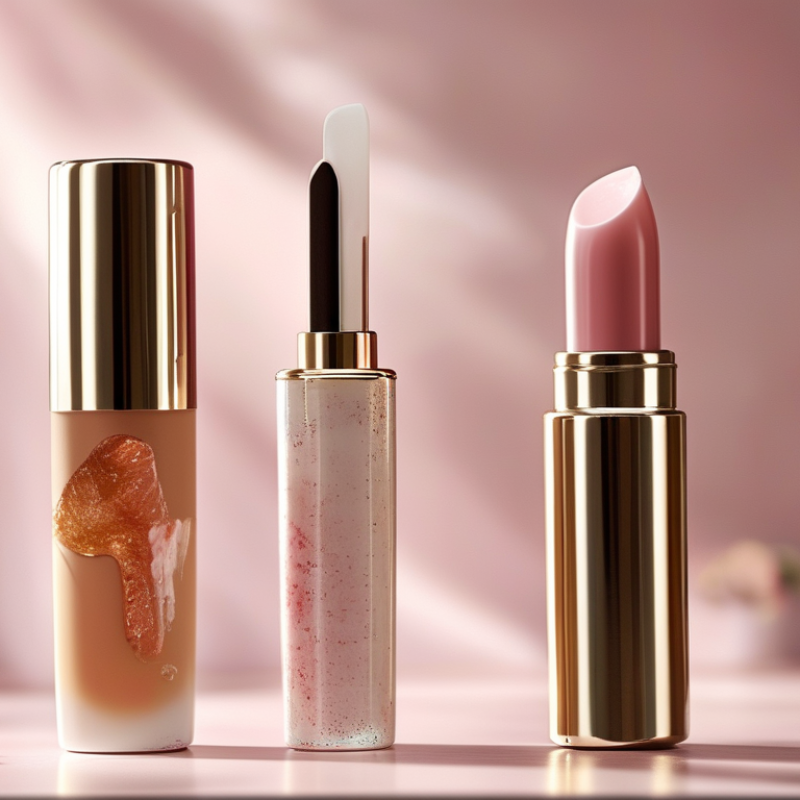
When choosing between a lip balm and a
lip mask, understanding their key differences is essential.
Lip balms are typically used for immediate moisture
and protection. They create a barrier against harsh environmental factors. Common ingredients in lip balms
include beeswax or shea butter. This makes them great for quick relief.
Lip masks, on the other hand, are designed for deeper hydration.
They often have a thicker texture and more nourishing ingredients like hyaluronic acid or
vitamin E. While a lip balm is suitable for daily use, a lip mask is often applied for targeted treatment.
This makes it ideal for dry, chapped lips that
need extra care.
Both products have their place in a lip care routine. However, some people find themselves choosing the wrong product.
Relying solely on lip balm can lead to dependency. Without it, lips might feel drier.
On the contrary, overusing a lip mask can lead to expectations that aren't met. Ultimately, it’s about
balancing the two for healthy lips.
Lip balm plays a crucial role in daily lip care. According to research from the American Academy of Dermatology, nearly 80% of people experience dry lips at some point. Lip balm acts as a protective barrier, helping to lock in moisture. This is particularly important in arid climates where moisture can quickly evaporate from the skin.
Many lip balms contain emollients like beeswax or shea butter. These ingredients not only soothe but also hydrate. The Journal of Clinical and Aesthetic Dermatology emphasizes that regular use can significantly reduce lip dryness. This can enhance not just comfort but also overall lip health.
While lip balm is generally effective, it's important to reflect on its limitations. Some formulations may include artificial flavors or fragrances, causing irritation for sensitive individuals. Choosing a product with minimal ingredients is often recommended by dermatologists. Understanding these nuances can help individuals select the best option for their needs.
| Feature | Lip Balm | Lip Mask |
|---|---|---|
| Hydration | Provides immediate moisture to the lips. | Deeply nourishes and hydrates for long-lasting effects. |
| Application | Quick and easy to apply anytime. | Typically used as a treatment; requires overnight application for best results. |
| Texture | Creamy and lightweight. | Thicker, often gel-based consistency. |
| Ingredients | Often contains waxes, oils, and butters for moisture. | May contain advanced hydrating ingredients like hyaluronic acid and various oils. |
| Frequency of Use | Can be used multiple times a day. | Generally used less frequently, often in the evening. |
Choosing between a lip balm and a lip mask can be tricky. A lip balm offers quick hydration, while a lip mask provides intense nourishment. Understanding when to use each is crucial for maintaining healthy lips.
Opt for a lip mask when your lips feel extremely dry or chapped. A mask creates a protective barrier, sealing in moisture overnight. Consider using it after exfoliating your lips to lock in hydration. If you notice peeling skin, a mask can help repair and soothe.
Tips: For best results, apply a lip mask before bed. This allows it to work while you sleep. Always check the ingredients. Look for natural oils or butters that deliver deep moisture. Remember, everyone’s lips are different. What works for one might not work for another. So experiment and find your perfect routine.
Incorporating lip balm and lip masks into your skincare routine can enhance your lip health significantly. Research indicates that nearly 50% of people experience dry lips at some point, making hydration essential. Lip balms provide a barrier against environmental factors, while lip masks offer deep moisture. It’s crucial to match these products to your specific needs.
Tips: Assess your environment. In harsh weather, a lip balm can protect your lips. For nighttime routines, consider a lip mask for intense hydration. These masks often contain ingredients like hyaluronic acid, which can lock moisture in for hours.
Your routine can also benefit from regular exfoliation. Removing dead skin is vital for the effectiveness of lip products. Many experts recommend gently exfoliating once a week to enhance moisture absorption. However, over-exfoliation can be harmful. Listen to your lips, and adjust accordingly.
Tips: Choose products without harsh chemicals. Opt for natural ingredients to ensure safety and efficiency. Always patch-test new products to avoid unwanted reactions.
Choosing the right lip product can seem daunting. Lip balms are great for everyday hydration. They offer a quick fix for dry lips. A good balm provides moisture and creates a barrier against the elements. This is ideal for those with normal to slightly dry lips.
On the other hand, lip masks are more intensive treatments. They are perfect for severely chapped or flaky lips. Lip masks usually contain rich ingredients that deeply nourish. If your lips feel rough or look dull, consider using a mask overnight. However, they can feel heavy for daily use.
Think about your specific lip condition. Is your skin flaky or just mildly dry? That will guide your choice. Some may rely on a balm but find it insufficient. Others might overuse masks and experience irritation. Pay attention to how your lips react. Adjust your routine as needed.
: Lip balm creates a protective barrier that locks in moisture, preventing dry lips in various climates.
Common ingredients include emollients like beeswax and shea butter, which soothe and hydrate lips.
Use lip balm regularly and incorporate lip masks for deeper hydration, especially during harsh weather.
Look for products with minimal ingredients and avoid those with artificial flavors to reduce irritation risk.
Gently exfoliate once a week to remove dead skin and improve moisture absorption. Don't overdo it.
Lip masks are intensive treatments and may feel heavy; consider using them overnight instead.
Assess your lip condition. Use a balm for mild dryness and a mask for severely chapped lips.
Always patch-test new products and pay attention to your lips’ reactions to adjust your routine as needed.
While not mandatory, using both can provide comprehensive care and address different hydrating needs effectively.
In harsh weather, prioritize lip balm for protection. Adjust your care based on climate conditions.
In the exploration of lip care products, understanding what is the difference between lip balm and lip mask is crucial for effective daily routine. Lip balm is ideal for everyday hydration, providing a protective barrier that locks in moisture, making it a staple for maintaining lip health. On the other hand, a lip mask is designed for deeper treatment, offering intensive nourishment and repair, particularly beneficial for dry or damaged lips.
To choose the right product, one should consider their specific lip type and condition. Incorporating both into a lip care regimen can yield the best results; lip balm can be used for daily hydration while reserving lip masks for special treatment on particularly chapped or dry days. By understanding the unique benefits and appropriate uses of each, individuals can achieve optimal lip care tailored to their needs.
