Severely chapped lips can sting, split, and even bleed while you sleep. The right overnight routine focuses on calming irritation and sealing in moisture. This guide explains how to heal severely chapped lips overnight with simple, barrier-friendly steps.
Board-certified dermatologist Dr. Hadley King emphasizes, “A bland, fragrance-free ointment helps protect the lip barrier while it repairs.” Apply a generous layer of petroleum jelly or another fragrance-free occlusive balm before bed. Do not scrub away flakes. They may look uncomfortable, but peeling them can reopen tiny cracks. Avoid menthol, camphor, cinnamon, eucalyptus, and strongly flavored lip products. These ingredients can create a cooling feeling while worsening irritation.
Drink water normally, but do not expect hydration alone to fix damaged lips. A bedside humidifier may help if dry heating makes your bedroom feel dusty and tight. Try not to lick your lips. Saliva evaporates quickly and leaves them drier than before. It is an easy habit to miss.
Your lips may feel softer by morning, not completely healed. That matters. Healing is rarely instant, despite the title. If the corners remain cracked, yellow crusts appear, or swelling and pain increase, contact a healthcare professional. Recurrent peeling may also signal allergy, medication effects, or another skin condition. A thick ointment is a practical start, but it is not a diagnosis. Stop any product that burns, tingles, or causes a rash, even if its label promises fast results.
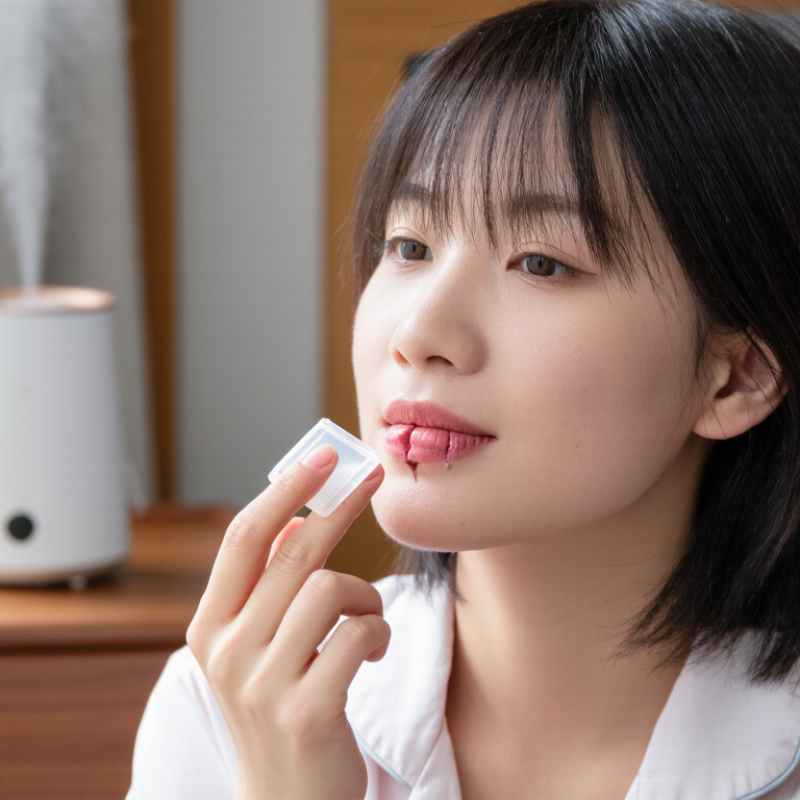
Severely chapped lips often begin with dry air, cold wind, sun exposure, or repeated lip licking. Saliva evaporates quickly and removes protective oils, creating a cycle of stinging and cracking. Dehydration may worsen dryness, but it is not always the main cause. Fragrances, menthol, flavored products, and harsh toothpaste can also irritate delicate lip skin. I used to blame winter alone, but that explanation can be incomplete.
Overnight care should protect the damaged surface. Gently rinse your lips, pat them dry, and apply a thick, fragrance-free ointment before bed. A humidifier may help if indoor air feels dry. Do not scrub flakes or pull loose skin. Avoid licking your lips, spicy foods, and products that burn. Improvement should feel noticeable by morning, though deep cracks may need several days. Small changes matter.
Severe or recurring cracks deserve attention. Seek medical advice if symptoms last longer than two weeks, spread to the mouth corners, or return frequently. A clinician may check for contact dermatitis, yeast infection, eczema, medication reactions, or nutritional problems. Redness with warmth, pus, marked swelling, fever, or worsening pain may signal infection. Get urgent care for facial swelling or trouble breathing. Lip sores that bleed repeatedly or fail to heal should not be dismissed as simple dryness.
Before bed, wash your hands and inspect your lips under a warm light. Cracks can hide along the corners. Use lukewarm water and a soft, damp cotton pad to loosen salt, food, or flaky skin. Do not scrub. The American Academy of Dermatology Association advises avoiding lip licking, picking, and irritating ingredients because they can delay barrier repair. A 2022 review in Contact Dermatitis also linked repeated exposure to fragrances and flavoring agents with lip irritation.
Pat your lips dry, leaving them slightly moist. Then apply a thick layer of plain, fragrance-free occlusive ointment. Cover the edges of each crack without rubbing. This creates a protective film while you sleep. The National Eczema Association identifies petrolatum-based occlusives as useful for reducing moisture loss from damaged skin. Still, overnight improvement is not guaranteed. Severe fissures may need several days. I once cleaned chapped lips too aggressively and made the bleeding worse. Gentle care matters more than perfect care.
Tips: Keep a clean glass of water beside your bed. Avoid minty, cooling, or scented products before sleeping. If a product stings, remove it with lukewarm water. Persistent bleeding, swelling, crusting, or repeated cracking deserves assessment by a qualified healthcare professional. Sometimes the “dryness” is irritation, allergy, or another skin condition.
Severely chapped lips need barrier repair, not aggressive scrubbing. At night, apply a thick layer of plain petrolatum to seal in moisture. It reduces water loss while you sleep. Ceramides can also support the damaged lip barrier. Glycerin attracts water, especially when applied over slightly damp lips. Hyaluronic acid may help, but it works better beneath an occlusive layer. Moisture alone cannot stay put.
Avoid products containing menthol, camphor, strong fragrance, or exfoliating acids. They may create a temporary cooling feeling while increasing irritation. I once used a tingling balm on cracked lips and mistook discomfort for healing. That was a poor assumption. Ingredients such as lanolin can help some people, but they may trigger sensitivity in others. Patch testing is sensible when your skin reacts easily.
Tips: Before bed, rinse your lips with lukewarm water and pat them dry. Apply a fragrance-free moisturizer, then cover it with petrolatum. Do not peel loose skin. Keep water nearby and avoid licking your lips, since saliva evaporates quickly. If cracks bleed repeatedly, swell, develop crusting, or remain painful after several days, seek advice from a qualified healthcare professional. Certain persistent cases involve infection, allergy, or another form of cheilitis rather than simple dryness.
| Ingredient or Product Type | Primary Role | How It Helps Chapped Lips | Overnight Use | Evidence-Based Assessment | Important Considerations |
|---|---|---|---|---|---|
| Petrolatum | Occlusive barrier | Forms a protective layer that reduces transepidermal water loss and helps shield damaged lip skin from saliva, wind, and dry air. | Apply a generous, even layer as the final step before bedtime. | Strong support | Generally well tolerated. Use a plain, fragrance-free formula when lips are irritated. |
| Dimethicone | Silicone-based occlusive and skin protectant | Creates a smooth, water-resistant film that helps reduce friction and moisture loss while the skin barrier recovers. | Useful in a lip balm or ointment applied before sleep. | Good support | Usually non-irritating, but stop use if redness, swelling, or discomfort develops. |
| Ceramides | Barrier-supporting lipid | Helps replenish lipids involved in the skin barrier, which may improve dryness and reduce sensitivity over repeated use. | Best used in a fragrance-free balm or cream, preferably under an occlusive layer. | Moderate support | Barrier repair is gradual; one night may provide comfort, but visible improvement can require several days. |
| Shea Butter | Emollient and mild occlusive | Softens rough flakes and helps smooth the surface of dry lips by filling gaps between skin cells. | Apply a thin layer and reapply a thicker layer at bedtime if tolerated. | Moderate support | Choose unscented products if lips are cracked or burning. It may not seal in moisture as effectively as petrolatum. |
| Squalane | Light emollient | Reduces roughness and improves softness by helping lubricate the outer skin surface. | Can be used beneath a thicker occlusive product overnight. | Moderate support | Helpful for dryness, but severely cracked lips usually need an occlusive layer as well. |
| Glycerin | Humectant | Attracts water to the outer layer of skin and can improve hydration when combined with an occlusive ingredient. | Use in a formulated lip product and cover with an ointment to help reduce water loss. | Moderate support | Humectants work best when sealed in. A glycerin-only product may not be sufficient for severely chapped lips. |
| Hyaluronic Acid | Humectant | Helps bind water at the skin surface and may temporarily improve the feel of dehydrated lips. | Apply a formulated product to slightly damp lips, then seal with an occlusive balm. | Moderate support | Use cautiously on very dry lips if no occlusive layer follows, because hydration may not be retained in low-humidity conditions. |
| Beeswax | Protective wax and occlusive | Helps form a barrier that protects lips from environmental exposure and reduces surface moisture loss. | Suitable as part of an overnight balm or ointment. | Moderate support | Avoid if there is a known allergy or sensitivity to bee-derived ingredients. |
| Colloidal Oatmeal | Soothing and protective ingredient | May calm mild irritation and support the skin barrier by reducing dryness and discomfort. | Use in a properly formulated fragrance-free lip product rather than applying household oatmeal directly. | Moderate support | Avoid if oat products have previously caused irritation or allergic symptoms. |
| Fragrance-Free Ointment or Balm | Delivery format | Ointments generally provide a stronger protective seal than lightweight lotions, which is useful for cracked lips during sleep. | Apply after gently rinsing and patting lips dry; avoid licking lips afterward. | Strong practical support | Avoid products containing menthol, camphor, phenol, eucalyptus, cinnamon, peppermint, or strong flavoring on damaged lips. |
Start with clean, lukewarm water. Pat your lips dry with a soft towel. Do not scrub flakes away. Scrubbing can create tiny cracks and worsen irritation. Apply a thick, fragrance-free ointment containing petrolatum, mineral oil, or dimethicone. The American Academy of Dermatology Association recommends these ingredients for dry, cracked lips. Use enough to create a visible protective layer. Your lips should look glossy, not greasy only at the center. Press your lips together gently. Avoid licking them before sleep. Saliva evaporates quickly and removes natural moisture.
Tips: Keep water beside your bed. Avoid mint, cinnamon, camphor, and strong flavoring agents. The AAD specifically warns that burning or stinging signals irritation, not effectiveness. Change your pillowcase if it feels rough. A humidifier may help when indoor air is dry, especially during winter. Research summarized in Cochrane reviews shows that evidence for many topical treatments remains limited, so simple occlusion is a reasonable choice. My own mistake was applying too little ointment. A thin swipe disappeared within an hour. A thicker, even coat worked better.
Wake up and rinse only if residue feels uncomfortable. Reapply after breakfast and brushing your teeth. Choose a lip product with broad-spectrum SPF 30 outdoors, as recommended by dermatology guidance. Seek medical care if bleeding, swelling, pus, blisters, or persistent cracking appears. Severe dryness can sometimes reflect dermatitis, infection, medication effects, or another condition.
Severely chapped lips may improve overnight with gentle moisture and protection. However, some symptoms signal a problem that home care cannot safely handle. Seek medical care if bleeding continues after 10 minutes of firm, clean pressure. Deep splits, severe pain, or rapidly increasing swelling also deserve prompt assessment. Do not wait overnight if your tongue, throat, or face swells, or breathing becomes difficult. That may indicate a serious allergic reaction.
Watch for infection. Yellow crusts, pus, spreading redness, warmth, or fever are concerning signs. Recurrent blisters can suggest a viral cause rather than simple dryness. Cracks extending into the mouth may also need professional treatment.
In everyday clinical assessment, the pattern matters: one dry patch differs from sores that multiply, spread, or keep returning. Small details help.
Persistent chapping needs attention too. Arrange an appointment if symptoms last longer than two weeks despite avoiding lip licking, fragranced products, and harsh exfoliation. A rough, scaly area that repeatedly bleeds should not be covered and ignored. Rarely, chronic sun damage or another condition can resemble ordinary chapping.
I have sometimes underestimated how irritating “natural” ingredients can be; that assumption needs questioning. Until evaluated, use a bland protective ointment, drink normally, and avoid picking the skin. Children, older adults, and people with diabetes may need earlier medical advice.
Dry air, cold wind, sunlight, dehydration, and repeated lip licking can damage the protective barrier. Saliva evaporates quickly. Fragrances, menthol, flavored products, and harsh toothpaste may also trigger irritation. Winter is not always the whole explanation.
Yes. Saliva briefly wets the lips, then evaporates and removes protective oils. This creates a repeating cycle of stinging and cracking. It feels helpful. It is not.
Rinse your lips with lukewarm water and pat them dry gently. Apply a fragrance-free moisturizer over slightly damp skin. Cover it with a thick layer of plain petrolatum. Your lips should look evenly glossy.
Petrolatum helps reduce water loss overnight. Ceramides may support the damaged barrier. Glycerin attracts water, especially on slightly damp lips. Hyaluronic acid may help beneath an occlusive layer. Moisture alone may disappear quickly.
Avoid menthol, camphor, strong fragrance, mint, cinnamon, and exfoliating acids. Burning or tingling often signals irritation, not healing. I once confused discomfort with improvement. That was a poor assumption.
No. Scrubbing or pulling flakes can create tiny cracks and worsen pain. Leave loose skin alone while the surface repairs. Be gentle.
Keep water beside your bed, but avoid licking your lips. Use a humidifier when indoor air feels dry. A rough pillowcase may irritate the area. Changing it can help.
Seek medical advice if cracking lasts beyond two weeks, returns often, or spreads toward the mouth corners. Get help sooner for pus, warmth, marked swelling, fever, worsening pain, repeated bleeding, or blisters. Facial swelling or breathing trouble requires urgent care.
Severely chapped lips can result from dehydration, cold or dry weather, frequent licking, irritating products, allergies, or underlying skin conditions. To understand how to heal severely chapped lips overnight, begin by gently rinsing away residue with lukewarm water and patting the lips dry—avoid scrubbing, peeling, or pulling loose skin. Apply a fragrance-free, protective balm containing ingredients such as petrolatum, ceramides, shea butter, or nourishing oils to help seal in moisture and support the skin barrier.
Before bed, drink enough water, apply a generous layer of moisturizer, and avoid licking your lips or using products with irritating flavors, fragrances, or cooling agents. Reapply if your lips feel tight during the night. However, seek medical advice if you notice spreading redness, severe swelling, bleeding that does not stop, pus, blisters, intense pain, or cracks that repeatedly return. These symptoms may require professional evaluation rather than home care.
