5 Ingredients to Avoid in Lip Balms for Sensitive Lips?

Time:2026-10-10 Author:Madeline
0%

Sensitive lips can react to products that seem gentle, natural, or refreshing. A balm may feel soothing at first, then leave burning, peeling, or tightness behind. This pattern often makes people ask, “what ingredients to avoid in lip balms for sensitive lips?”

This guide examines five common ingredients that may trouble easily irritated lips. Fragrance and flavor additives can create a pleasant scent or taste, but they may also trigger irritation. Menthol, camphor, and phenol can produce a cooling sensation while worsening dryness for some users. Salicylic acid may help exfoliate skin, yet it can feel harsh on cracked lips. Lanolin is moisturizing for many people, although those with sensitivities may react to it.

Read the full ingredient list.

Ingredient names can hide behind botanical terms or “flavor” labels. A small patch test near the jaw may offer useful information, but it cannot predict every lip reaction. Stop using a product if swelling, blistering, or persistent burning appears. Seek professional medical advice when symptoms continue or worsen.

The list is not absolute. Everyone’s skin behaves differently. I may overlook an ingredient that affects you personally. Product formulas also change, so check the package each time. Dermatologists and pharmacists can help identify likely triggers, especially when irritation keeps returning. Choose bland, fragrance-free formulas with petrolatum, ceramides, or other proven protective ingredients. Avoid judging a balm by its glossy finish or “natural” label. Comfort should last beyond the first few minutes.
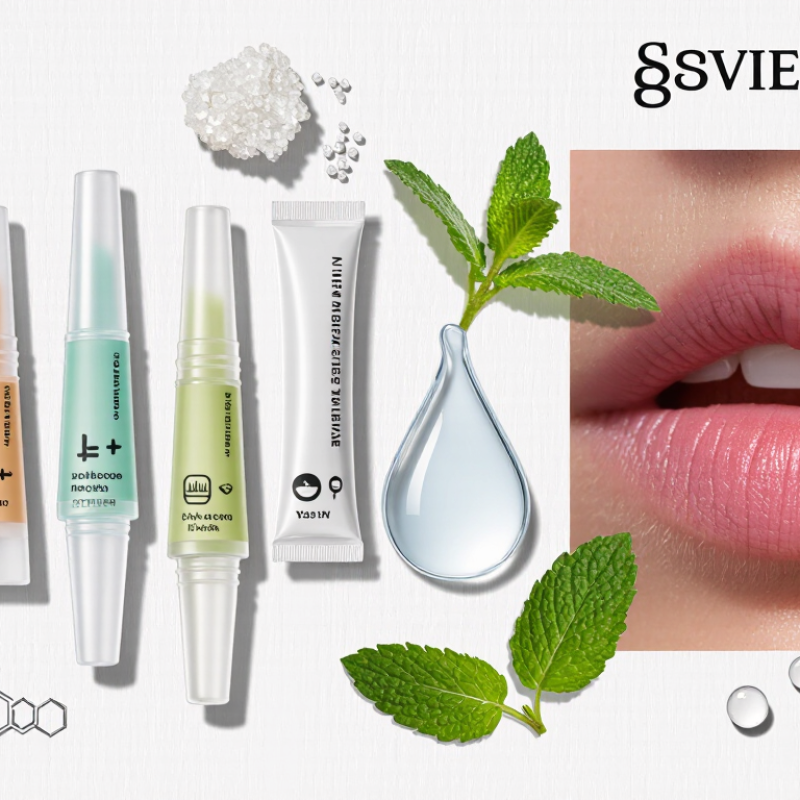
5 Ingredients to Avoid in Lip Balms for Sensitive Lips?

How to Screen Lip Balm Labels for Potential Irritants

Sensitive lips need label-level screening, not attractive packaging. The North American Contact Dermatitis Group’s 2019–2020 report recorded fragrance mix I reactions in 11.6% of tested patients. That figure reflects a clinical group, not everyone. Still, it deserves attention.

Scan the INCI list for fragrance, parfum, flavor, menthol, camphor, and phenol. These ingredients may create a cool, sweet, or soothing sensation, yet they can irritate already-chapped lips. Fragrance can also hide multiple components under one label term. The U.S. Food and Drug Administration notes that “fragrance” may represent a mixture without naming every ingredient. “Unscented” is not always fragrance-free.

Look for plain formulas with petrolatum, mineral oil, or simple waxes. However, “natural” does not automatically mean gentle; peppermint, citrus, and cinnamon oils can still cause reactions. The European Scientific Committee on Consumer Safety has estimated fragrance allergy prevalence at roughly 1% to 3% in the general population. Patch testing remains more reliable than guessing from symptoms. Apply a small amount cautiously, and stop if burning continues. My own screening habit is imperfect: I sometimes focus on the first ingredients and miss flavor compounds near the end. Read the entire list. Five seconds helps.

5 Ingredients to Screen for Sensitive Lips

During irritation or chapping, check the ingredient list for fragrance or flavor compounds, menthol, camphor, phenol, and salicylic acid. These ingredients may contribute to irritation, allergic contact dermatitis, or dryness in some people.

Each bar represents the number of relevant label-screening concerns associated with the ingredient group—not prevalence, medical risk, or a guarantee that every person will react. “Fragrance” and “flavor” may appear under several different names on product labels.

Artificial Fragrance and Perfume Components

Artificial fragrance can make a lip balm smell like vanilla, mint, or fresh flowers. However, sensitive lips may react to several perfume components. Burning, tightness, peeling, and tiny cracks can appear after repeated use. The European Commission’s Scientific Committee on Consumer Safety estimates fragrance allergy affects about 1–3% of people. Lip skin is especially vulnerable because it is thin and exposed to saliva, wind, and cold.

The United States Food and Drug Administration explains that cosmetic fragrance ingredients may appear collectively as “fragrance” or “perfume” on labels. This makes identification difficult. A balm may also contain individual perfume allergens, such as limonene, linalool, citral, or geraniol. Natural essential oils are not automatically gentler. They can still contain sensitizing aromatic compounds. I once assumed a mild scent meant a mild formula. That assumption was wrong.

Tips: Choose products labeled fragrance-free, not merely unscented. Check the ingredient list for parfum, fragrance, aroma, and scented oils. Apply a small amount first, especially when your lips are cracked. Stop using it if stinging continues. Persistent swelling or rash deserves professional assessment. Even careful advice has limits; irritation can come from preservatives, flavors, or the balm’s base.

Flavoring Agents and Essential Oils

Flavoring agents and essential oils can make a lip balm smell fresh or taste sweet. However, sensitive lips may react badly to these pleasant extras. Cinnamon, peppermint, citrus, menthol, and vanilla flavoring can cause stinging, redness, dryness, or peeling. The reaction may appear minutes later or after repeated use. “Natural” does not always mean gentle.

Tips: Choose a fragrance-free balm with a short ingredient list. Avoid products that leave a cooling, tingling, or burning feeling. Apply a small amount to your inner arm first, then wait 24 hours. This test is not perfect, but it may reveal irritation before your lips suffer. If your lips are cracked, skip essential oils completely. Broken skin absorbs ingredients more easily.

Dermatology professionals often recommend simple formulas for reactive skin. Look for plain occlusive ingredients, such as petrolatum or mineral oil, without added flavor. I once assumed a mild scent meant a mild formula; that assumption was wrong. A balm can feel comfortable initially while causing gradual dryness. Stop using it when redness, swelling, or persistent burning appears. Seek medical advice if symptoms continue, spread beyond the lips, or return frequently.

Menthol and Other Cooling Compounds

Menthol feels refreshing because it activates TRPM8, a cold-sensing nerve receptor. That coolness can distract from dryness, but it does not repair the skin barrier. Sensitive lips may sting within seconds, especially after cracking, wind exposure, or lip licking. Camphor, peppermint oil, and eucalyptus oil can create similar sensations. They may also increase irritation risk.

The American Academy of Dermatology recommends fragrance-free products for easily irritated skin. The National Eczema Association also identifies fragrance and flavoring ingredients as frequent personal-care triggers. A 2021 review in Contact Dermatitis estimated that self-reported sensitive skin affects roughly 50–60% of adults, depending on the population studied. This matters because “natural” cooling oils are still chemically active. Natural is not automatically gentle.

Check the ingredient list beside a bright window. Avoid menthol, camphor, peppermint oil, eucalyptus oil, and phenol when lips feel raw. Choose petrolatum, mineral oil, or dimethicone instead. Apply a thin layer after washing, not after scrubbing. I once assumed a stronger cooling feeling meant better protection. It did not. Patch testing can help, although lip skin may react differently from arm skin. Stop using the balm if burning continues, swelling appears, or tiny blisters develop. A dermatologist can investigate allergic contact dermatitis when symptoms repeatedly return.

5 Ingredients to Avoid in Lip Balms for Sensitive Lips? — Menthol and Other Cooling Compounds

Ingredient or Ingredient Group Why It May Be Problematic Common Label Names Potential Sensitivity Concern More Suitable Options
Menthol and Cooling Compounds Menthol activates cold-sensitive nerve receptors, creating a cooling sensation. This feeling can mask dryness while the product may still irritate already-chapped skin. Menthol, menthyl lactate, peppermint oil, mint oil High caution
May cause stinging, burning, redness, or increased discomfort on cracked lips.
Plain petrolatum, mineral oil, squalane, or fragrance-free balms containing protective waxes and butters.
Camphor Camphor produces a cooling or tingling sensation and can be irritating when applied to compromised skin. It is not essential for basic lip moisturization. Camphor, camphor oil, Cinnamomum camphora extract High caution
May trigger burning, dryness, or irritation, particularly after repeated use or on open cracks.
Simple, non-medicated formulas with occlusive ingredients such as petrolatum or dimethicone.
Phenol Phenol can act as a local anesthetic and surface-damaging antiseptic. It may provide temporary numbness but does not repair the skin barrier. Phenol, carbolic acid High caution
May cause irritation, peeling, or sensitivity when used on chapped lips; excessive exposure can be harmful.
Barrier-repair products without anesthetic or antiseptic actives, unless a healthcare professional recommends otherwise.
Added Fragrance and Essential Oils Fragrance materials and aromatic plant oils are common sources of allergic contact dermatitis. Natural origin does not guarantee low irritation potential. Fragrance, parfum, flavor, limonene, linalool, citrus oils, cinnamon oil, clove oil Moderate to high caution
May cause itching, redness, scaling, or recurrent lip inflammation in sensitized users.
Fragrance-free and flavor-free formulas with a short ingredient list.
Salicylic Acid and Strong Exfoliating Actives Salicylic acid helps remove surface scale, but exfoliation can worsen dryness or irritation when the lip barrier is damaged. Salicylic acid, beta hydroxy acid, BHA, alpha hydroxy acids, AHA Moderate caution
May cause peeling, stinging, and increased sensitivity, especially with frequent use.
Use bland moisturizing and occlusive ingredients first; seek professional advice if persistent scaling requires treatment.

Practical note: Individual reactions vary, and ingredient concentration matters. For sensitive or repeatedly chapped lips, choose a fragrance-free, flavor-free balm with a short ingredient list, stop using any product that causes burning or swelling, and consult a qualified healthcare professional if symptoms persist.

Phenol and Strong Exfoliating Ingredients

Sensitive lips often react to ingredients that create a sharp, “medicated” sensation. Phenol is one concern. It can temporarily numb discomfort, but that relief may hide ongoing irritation. Repeated exposure can leave lips feeling tight, flaky, or unusually tender. Burning is not proof that a balm is working.

Strong exfoliating ingredients deserve similar caution. Look for salicylic acid, glycolic acid, lactic acid, or retinoid-related ingredients, especially in concentrated leave-on products. These ingredients can loosen dead skin, yet the lip barrier is thinner than facial skin. Peeling may become worse when the weather is cold, dry, or windy. Tiny cracks can sting when drinking citrus juice or brushing your teeth.

A practical test is simple. Apply a small amount near the jawline first. Then watch for redness, itching, swelling, or persistent tingling for 24 hours. I used to assume mild tingling meant better exfoliation. That assumption was careless. Sensitive lips usually need fewer active ingredients, not more. Choose a fragrance-free formula with bland, protective materials such as petrolatum, mineral oil, or ceramides. Stop using it if irritation continues. A dermatologist can assess recurring cracks or swelling, especially when ordinary moisturizers fail. Purity claims alone are not enough; the full ingredient list matters.

FAQS

Which ingredients may irritate sensitive lips?

Check for fragrance, parfum, flavor, menthol, camphor, and phenol. They may cause stinging, redness, dryness, or peeling.

Does “unscented” mean fragrance-free?

Not always. “Unscented” may still include fragrance ingredients that mask other smells.

Are natural essential oils safer for chapped lips?

Not necessarily. Peppermint, citrus, cinnamon, and vanilla oils may irritate damaged skin.

What formula is usually simpler for reactive lips?

Choose a short ingredient list with petrolatum, mineral oil, or plain waxes. Avoid added flavor and cooling ingredients.

Can a balm feel soothing and still cause irritation?

Yes. Cooling or tingling may feel pleasant at first. Later, dryness or redness can appear.

How can someone screen a new balm cautiously?

Apply a small amount to the inner arm. Wait 24 hours and watch for redness or burning.

Should essential oils be avoided on cracked lips?

Yes, avoiding them is safer when skin is cracked. Broken skin may absorb ingredients more easily.

What should someone do after persistent burning or swelling?

Stop using the balm. Seek medical advice if symptoms continue, spread, or return frequently.

Is reading only the first few ingredients enough?

No. Flavor compounds may appear near the end. Read the entire list for five seconds.

Conclusion

Choosing a lip balm for sensitive lips starts with learning how to read the ingredient label rather than relying only on product claims. The question “what ingredients to avoid in lip balms for sensitive lips” is especially important for people prone to dryness, redness, stinging, or recurring irritation. Artificial fragrance and perfume components may trigger discomfort, while flavoring agents and essential oils can cause sensitivity even when they seem natural. These ingredients may add scent or taste but offer little protective value.

Menthol and other cooling compounds can create a temporary refreshing sensation, yet they may worsen dryness or irritation for sensitive users. Phenol and strong exfoliating ingredients should also be approached carefully because they can strip the skin’s protective barrier and increase discomfort. A simpler formula with gentle moisturizing and barrier-supporting ingredients is often a better choice. When screening labels, introduce new products cautiously and stop using them if burning, swelling, or persistent irritation develops.

Madeline

Madeline

Madeline is a dedicated marketing professional with a wealth of expertise in our company's core offerings. With a keen understanding of the industry, she brings a unique perspective to her role, consistently delivering high-quality content that highlights the superior aspects of our products. As......