Why Is My Lipstick Turning Patchy on Dry Lips in 2026?

Time:2026-08-06 Author:Sienna
0%

In the world of cosmetics, the question "why is my lipstick turning patchy on dry lips" has gained considerable attention. According to renowned beauty expert Dr. Emily Chen, "Understanding the condition of your lips is key to choosing the right lipstick." Many women face this issue, especially with dry or dehydrated lips. The texture and appearance of lipstick can change dramatically depending on lip health.

Dry lips often create a difficult canvas for lipstick application. Factors like weather, hydration levels, and skin care routines contribute to this problem. Some lipsticks may exaggerate dryness, leading to uneven patches and an overall less appealing look. It's essential to recognize that not all formulations work for everyone.

Moreover, a lack of exfoliation can worsen the situation. Ignoring this step may translate to noticeable flakes and patches when lipstick is applied. Embracing a tailored lip care regimen can provide significant improvements. With the right knowledge and products, addressing the question of "why is my lipstick turning patchy on dry lips" becomes less daunting. The journey toward smooth, vibrant lips is both a science and an art, requiring patience and care.
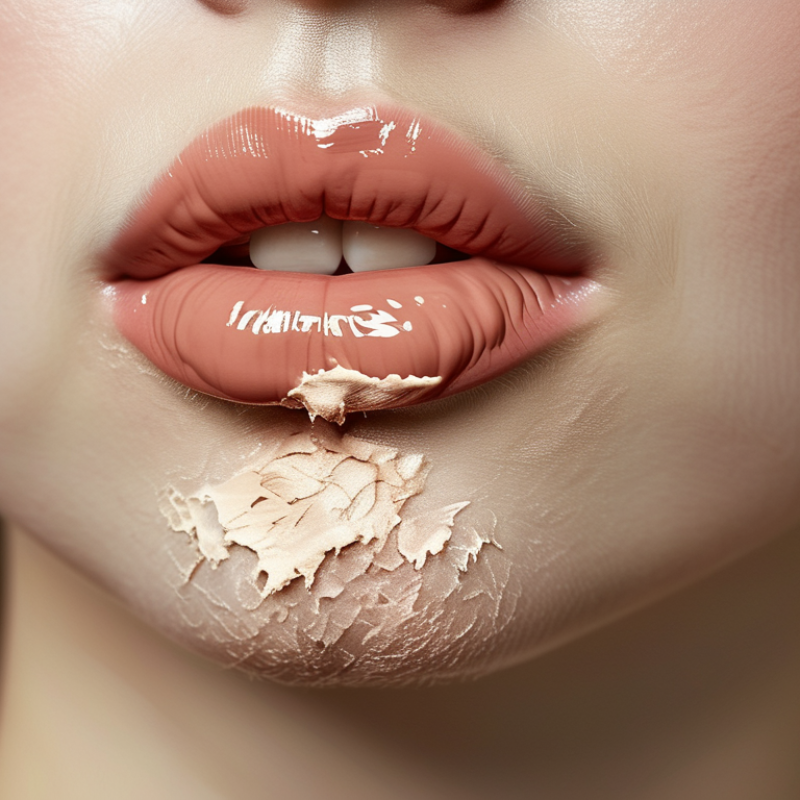
Why Is My Lipstick Turning Patchy on Dry Lips in 2026?

Understanding Lipstick Formulation and Its Impact on Application

Lipstick application can be tricky, especially on dry lips. Factors affecting your lipstick's look involve the formulation. Many lipsticks contain waxes and oils. These ingredients can work differently based on your lip condition. For instance, a thicker formula may enhance patchiness if your lips are dry.

Moisture is crucial. When lips are dry, they often absorb more product. This absorption can lead to uneven color distribution. Some formulations may lack hydrating properties. Consider a lipstick that combines color with moisture. Choosing a creamy formula could offer a more even application.

Application technique plays a significant role too. Applying lipstick directly can exacerbate dryness. Instead, try using a lip brush for precision. Start from the center of the lips and blend outward. This technique helps avoid patchiness. Remember, reflect on your choices; they shape your lipstick experience.

Why Is My Lipstick Turning Patchy on Dry Lips in 2026? - Understanding Lipstick Formulation and Its Impact on Application

Lipstick Type Formula Base Moisture Content (%) Finish Application Performance
Matte Wax-based 15 Matte Patchy, due to dryness
Cream Oil-based 25 Creamy Smooth application
Liquid Gel-based 20 Glossy Occasional patchiness on dry lips
Satin Cream-based 30 Satin Even application, comfortable
Sheer Oil-based 28 Sheer Hydrating, minimal patchiness

The Role of Lip Condition: How Dryness Affects Lipstick Performance

Dryness significantly impacts how lipstick performs on your lips. When your lips are parched, the texture changes. A report by the American Academy of Dermatology indicates that 70% of women experience some form of dry lips. This dryness leads to uneven application and a patchy look.

When applying lipstick on dry lips, the formula may cling to rough areas. This creates an unappealing finish. Each layer can emphasize dryness, making lips appear chapped. Research shows that lipstick can perform differently based on the lip condition, with dry lips absorbing more moisture. This means some products can feel less creamy and more matte.

**Tips for better application:** Hydrate your lips before using any lipstick. Lip balm is essential. Choose a formula that contains moisturizing agents. Invest in a lip scrub to exfoliate and remove dead skin. Regular upkeep can make a significant difference.

Keep in mind that not every product will perform the same way on every lip condition. Testing different options is key to finding what works for you. Some products may even enhance the visibility of dryness rather than mask it.

Common Ingredients in Lipsticks That Contribute to Patchiness

Dry lips can lead to patchy lipstick application. The composition of lipsticks is crucial in this regard. Many common ingredients, like waxes and oils, can exacerbate dryness. For instance, paraffin wax can create a barrier, sealing in moisture but also preventing hydration. According to research from the Cosmetic Ingredient Review, formulations high in occlusive agents may not suit all lip types.

Another concern is the inclusion of certain pigments. Some synthetic dyes may irritate sensitive skin, causing uneven patches. A study published in the Journal of Cosmetic Science noted that nearly 25% of users reported patchiness due to colorant reactions. This perception grows as lip moisture decreases, intensifying the patches’ visibility.

Hydration is key, yet many formulas lack humectants. Ingredients like glycerin and hyaluronic acid attract moisture, keeping lips plump. When they’re absent, lips often appear cracked and uneven. Noticing the imbalance is essential. Regular lip care routines can mitigate these problems, creating a smoother canvas for lipstick application. Remember, personal experience varies widely, and it’s vital to find a balance that works for your lips.

Tips for Preparing Dry Lips for a Flawless Lipstick Application

Dry lips can be a real challenge for a flawless lipstick application. In 2026, many people still face this issue. The rough texture can lead to patchy lipstick. To avoid this, proper lip care is essential.

One effective tip is to exfoliate your lips regularly. Use a gentle scrub or a soft toothbrush to remove dead skin. This step helps create a smooth surface. Hydration is just as important. Apply a nourishing lip balm consistently. Look for ingredients like shea butter or coconut oil. These substances deeply moisturize your lips.

Before applying lipstick, consider using a lip primer. This product can help fill in fine lines. It enhances lipstick wear and creates an even canvas. Don't rush this process; give your lips time to absorb the products. A little patience can make a significant difference in your makeup routine.

The Importance of Choosing the Right Lip Product for Dry Lips

Choosing the right lip product for dry lips is crucial. Many people struggle with patchy lipstick, especially during seasonal changes. Research shows that over 50% of women experience some form of lip dryness. This condition can worsen with certain lip products.

Hydration is key for any lip product. Look for formulas that contain ingredients like hyaluronic acid or shea butter. These components help lock in moisture. A study published in the Journal of Cosmetic Dermatology found that products with these hydrating ingredients led to better moisture retention in lips. However, many consumers still neglect to check ingredient labels.

Daily habits play a significant role too. Drinking enough water is essential. It’s recommended to consume at least 2 liters per day. Furthermore, applying a lip balm before lipstick can create a protective barrier. This can minimize the patchy look. Consistency is vital, yet many overlook this simple step. Recognizing the importance of both product choice and daily care can make a significant difference for those with dry lips.

FAQS

: How does dryness affect lipstick application?

: Dry lips can lead to uneven application and patchy looks. They absorb more product, making colors appear inconsistent.

What ingredients can cause patchiness in lipstick?

Waxes, oils, and certain pigments can exacerbate dryness and lead to patchy application.

What can help improve lipstick application on dry lips?

Hydrate lips before applying lipstick. Lip balm and scrubs help create a smoother surface.

Why do some lipsticks feel less creamy on dry lips?

Dry lips absorb more moisture, leading to a matte finish instead of the desired creamy look.

Can all lipsticks work the same on every lip type?

No, different lips react uniquely to products. Testing various options is important for a suitable fit.

What application technique should I use for better results?

Use a lip brush for precision. Start from the center and blend outward to prevent patchiness.

How can I tell if a lipstick is right for my lips?

Observe how it feels and looks. If it highlights dryness, it may not be ideal for you.

Are there common ingredients to avoid in lipsticks?

Avoid products high in occlusive agents, such as paraffin wax, as they may worsen dryness.

What role do humectants play in lipstick?

Humectants attract moisture and keep lips plump. Without them, lips may appear cracked and uneven.

How often should I exfoliate my lips?

Regular scrubbing can help maintain lip smoothness. An inconsistent routine might lead to issues with lipstick application.

Conclusion

In 2026, many individuals find themselves grappling with the question, "why is my lipstick turning patchy on dry lips?" This phenomenon can be attributed to several factors, primarily influenced by the formulation of the lipstick and the condition of the lips. Understanding the specific ingredients in lipsticks can shed light on why some products may exacerbate issues with patchiness. Ingredients that can contribute to a less-than-flawless application often include mattifying agents that can cling uncomfortably to dry patches, highlighting uneven texture.

To achieve a smooth finish, it’s essential to prepare dry lips properly before applying any lipstick. Techniques such as exfoliation and moisturizing can significantly improve the appearance of the lips. Moreover, selecting the right lip product that complements dry lips is crucial for optimal performance. By addressing both the lips' condition and the formulation of the lipstick, individuals can enjoy a more even application and avoid the frustrations of patchy color.

Sienna

Sienna

Sienna is a skilled marketing professional with a deep expertise in our company’s core products and services. With a passion for innovation and detail, she plays a pivotal role in crafting insightful blog posts that not only highlight the unique features of our offerings but also provide valuable......