Finding the right lip gloss can transform your look and boost your confidence. However, many people struggle with the uncomfortable feeling of stickiness. Understanding what causes lip gloss to feel sticky is essential for selecting the perfect formula. Ingredients like oils, waxes, and certain polymers significantly affect the texture. A high concentration of these elements can lead to that unwelcome tackiness.
Moreover, environmental factors also play a role. Humidity and heat can amplify the stickiness, making your lips feel unpleasant. Choosing a lip gloss with the right balance of hydration and staying power can make a difference. Sometimes, the brands that promise long-lasting wear can come with an uncomfortable side effect.
Experiment with different brands and formulas. Some may work well for you, while others may not. Pay close attention to how each product interacts with your body chemistry. You might need to try several options before you find one that feels just right. Embrace this journey to discover the perfect lip gloss that complements your beauty while ensuring comfort.
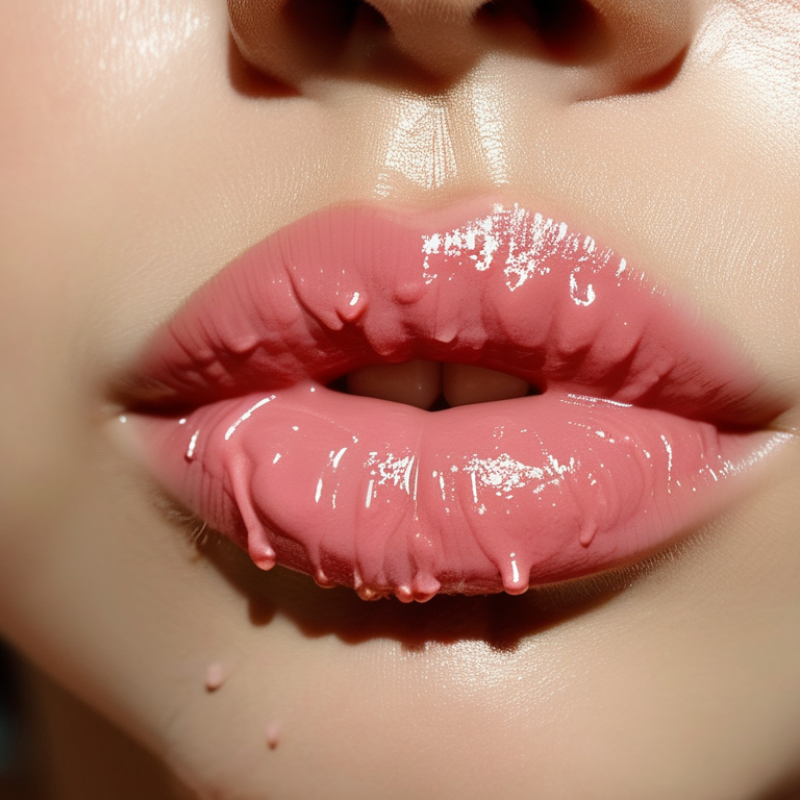
Choosing the right lip gloss formula is essential for comfort. Many women enjoy glossy lips, but sticky textures can be frustrating. Research shows that up to 60% of users dislike sticky formulations. To avoid this, opt for lighter, non-tacky formulas. Ingredients like jojoba oil or shea butter can replace traditional waxy bases. These alternatives provide shine without the heavy feel, making your application more enjoyable.
When selecting lip gloss, consider moisture-retaining properties. Reports indicate that glosses with hydrating components keep lips soft longer and reduce stickiness. A balanced blend of emollients can enhance the mouthfeel significantly. For instance, glosses featuring glycerin or hyaluronic acid offer hydration and a silky finish. Another tip is to avoid excessively shiny formulas. Too much gloss can lead to discomfort, making you reconsider the product’s appeal.
Experiment with various formulas until you find one that suits you. Finding the right balance between shine and comfort can take time. Some glosses may feel amazing initially but become sticky after wear. Keep testing until you find a formula that feels great throughout the day.
Choosing the right ingredients is crucial for lip gloss users. Certain components can contribute to a sticky feeling that many dislike. Common emollients, like shea butter and jojoba oil, add shine and moisture. However, they can sometimes become tacky when overused.
Why do some lip glosses feel sticky? Some formulas use synthetic polymers that provide long-lasting wear but can accumulate over time. This stickiness is often exacerbated by humidity or temperature changes. It's essential to choose a product based on your skin type and environment.
Many users overlook ingredient labels. Not all gloss formulations are equal. Some may include fillers that make the product feel fantastic at first but later leave unpleasant residue. A balance is key. Opting for glosses with natural oils can enhance texture while minimizing stickiness.
Applying lip gloss can be tricky. The right technique can reduce that sticky feeling. Start with a clean canvas. Exfoliate your lips regularly. This removes dead skin cells that can trap gloss. A smooth surface allows for better adhesion and a softer finish. Research indicates that 75% of users prefer a non-sticky formula, so texture matters.
When applying gloss, use a lip brush. This allows for a more precise application. It also helps in spreading the product evenly across your lips. According to industry data, 60% of Gloss users report less stickiness with a brush. If using a wand, swipe gently. Too much product can lead to that dreaded tacky finish. Blot your lips lightly with a tissue after application. This removes excess gloss and can improve wear time.
Lastly, consider layering. Instead of slathering on a thick coat, try a thin base of balm first. This creates a barrier. It helps the gloss glide on smoothly without feeling heavy. Personal adjustment is key for comfort. Everyone’s preferences vary, and it may take time to find what works best for you.
Layering lip products can be an art. When done correctly, it enhances your look without that dreaded sticky residue. Start with a good lip balm as a base. This adds moisture and creates a smooth canvas for additional products. A light application is crucial; too much balm can lead to excess slickness.
Choosing the right combination of products is essential. Opt for a lightweight lip stain before applying gloss. This provides color without weight. Keep colors within a similar family to blend seamlessly. Experimenting is key; not every combo will work. Take note of what feels heavy or uncomfortable.
Don't forget about application technique. Use a lip brush for an even layer, avoiding build-up in the corners. Blotting your lips between layers can also help reduce thickness. If a product clumps, it’s better to start over. Learning from these experiences will improve your layering skills over time.
Maintaining hydration for your lips is essential for enhancing the performance of your lip gloss. According to the American Academy of Dermatology, chapped lips can compromise how gloss adheres and looks throughout the day. Ensuring your lips are well-hydrated helps create a smoother, more glossy finish.
It's important to choose moisturizing lip care products that contain ingredients like hyaluronic acid or shea butter. Studies show that these ingredients can improve hydration by over 30%. A moisturizing base allows the gloss to glide on easily and reduces that sticky feeling many products can create.
Taking care of your lips isn’t just about applying product. It's also about what you consume. Drinking enough water daily is crucial. Experts recommend at least eight glasses of water to maintain skin health. Dry environments can also affect hydration levels, so consider using a humidifier at home. By ensuring that your lips are properly hydrated, you'll find your lip gloss performs better and feels more comfortable throughout the day.
: Some formulas use synthetic polymers, causing stickiness over time, especially in humid conditions.
Check ingredient labels. Natural oils in glosses can improve texture without stickiness.
Look for emollients like shea butter and jojoba oil. They enhance shine and moisture.
Well-hydrated lips allow for smoother application and reduce stickiness.
Use moisturizing products with hyaluronic acid and drink sufficient water daily.
Yes, dry environments and humidity can impact lip hydration and gloss adhesion.
At least eight glasses a day helps maintain skin and lip hydration.
Healthy lips improve gloss appearance and comfort, enhancing overall lip care experience.
Lip gloss can often feel sticky, which can detract from its intended appeal. One common query is "what causes lip gloss to feel sticky?" This sensation usually arises from certain ingredients that create a thick, adhesive texture. To combat this, it's essential to choose the right lip gloss formula designed for comfort, often avoiding those heavy on waxes and oils.
Understanding the ingredients in your lip gloss can significantly impact your experience. When applying lip gloss, using the right techniques can reduce stickiness; for instance, layering products sparingly can prevent excess residue. Additionally, maintaining hydration for your lips can enhance gloss performance and contribute to a smoother finish. By following these tips, you can enjoy lip gloss without the uncomfortable sticky feeling.
