Why does my eyeshadow crease so fast? Often, the answer is a mix of skin, product, and technique—not a lack of skill. Natural oils gather on the eyelids, while rich creams or heavy layers can make shadow shift into fine lines. Warm rooms, long days, and rubbing your eyes may add to the problem. It happens fast. And it can feel frustrating.
Cosmetic chemist Michelle Wong’s evidence-based writing on makeup formulas offers a useful reminder: primer can help makeup adhere, but it cannot prevent every crease. That distinction matters. For a practical test, start with clean, dry lids; apply a thin layer of eye primer; and give it a moment to set. Then press on a small amount of shadow rather than sweeping on several thick layers. If your lids feel slick by midday, try less eye cream near the lash line and note whether the change helps. Not a personal failure. Just useful information.
This guide explores common reasons eyeshadow breaks down, from oily lids to product buildup, and explains which adjustments are worth trying. You’ll also learn how to prepare your eyelids, choose textures, and apply shadow without piling it on. Results vary, and even a careful routine may need a little tweaking. Primer is not magic. The goal is steadier color, fewer touch-ups, and a routine that makes sense for your own skin.
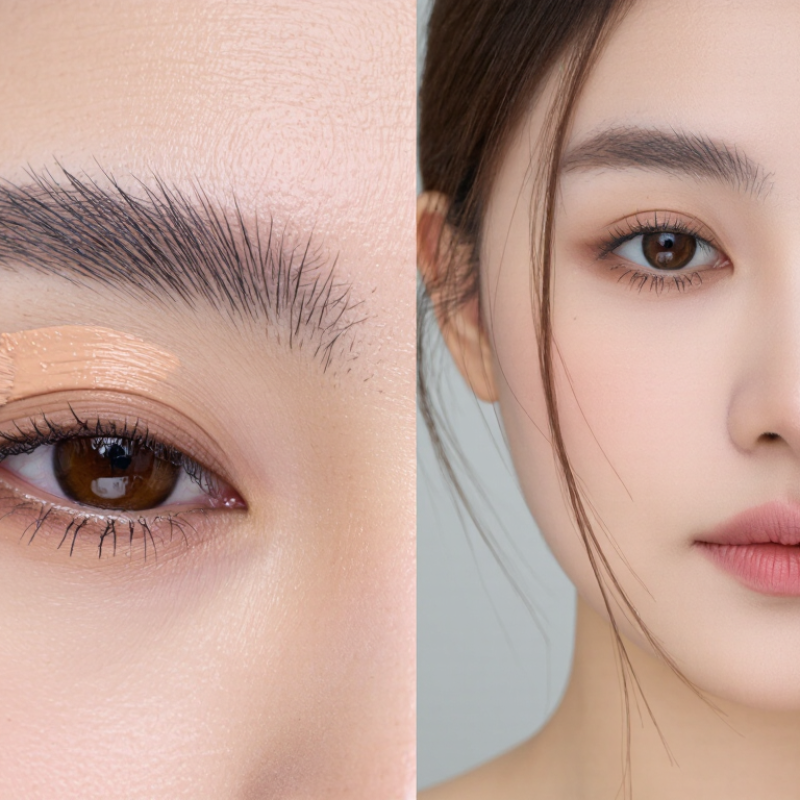
Why Eyeshadow Creases and What Makes It Happen
Eyeshadow creases when color settles into the natural folds of the eyelid. The skin there moves with every blink, so even a smooth layer can shift during the day. On hooded or deeply folded lids, shadow may transfer where skin touches skin. That is normal anatomy, not a sign that you applied it badly.
Oil and moisture can make the shift happen sooner. Natural skin oils build up on the lids, while sweat, humid weather, or leftover eye cream can add slip. A thin sheen may be hard to notice in the mirror, but it can loosen powder as the hours pass. No single culprit. It is easy to blame the shadow alone, but that explanation is often too simple.
Application matters, too. A thick layer of cream, concealer, or shadow can bunch up before it has time to set. Rubbing the eyelids or layering powder over damp skin may add more movement. Even a very dry lid can crease if product gathers in its folds. Small details matter. A close look in daylight, before makeup, may reveal shine or skincare residue that indoor lighting hides. The pattern can change with weather, sleep, and skin care, so yesterday’s result may not explain today’s.
Why Eyeshadow Creases—and What Can Make It Happen
Creasing often happens when natural lid oils, leftover skincare, or excess product disrupt the eyeshadow layer. Heat, humidity, and repeated eyelid movement can also contribute. The 1–5 scores are a qualitative guide to common contributors, not measured clinical data; individual results vary.
Prepare Your Eyelids Before Applying Makeup
How to Stop Eyeshadow From Creasing So Fast?
Prepare Your Eyelids Before Applying Makeup
Eyeshadow can gather in the crease when the eyelid is oily or skincare has not settled. Start with a clean, dry lid. Use a gentle cleanser, then pat the area dry instead of rubbing its delicate skin. Give it a minute. If you apply eye cream, use a small amount and let it absorb fully before adding makeup.
A thin layer of eyeshadow primer can help create a more even surface. Use just a dab, spread it from lash line to crease, and wait until it feels set rather than tacky. Too much product may leave a slippery film. I’ve found that less is usually better, though I still sometimes rush this step and regret it when color collects in the fold.
If you do not have primer, a light dusting of translucent powder may reduce surface shine, but avoid piling on layers. Check the lid in natural light; it should feel dry, not tight or chalky. Clean brushes also matter, since old product and oils can transfer back onto freshly prepared skin. If the eyelid feels irritated, skip makeup until it has settled.
How to Stop Eyeshadow From Creasing So Fast? — Prepare Your Eyelids Before Applying Makeup
| Preparation Step |
What to Do |
Why It Helps |
Practical Timing or Amount |
| Clean the eyelids |
Gently remove leftover makeup, skincare residue, and excess oil from the eyelid area. |
A cleaner surface helps eye makeup apply more evenly and reduces the chance of mixing with oily residue. |
Do this before applying eye makeup; avoid rubbing the delicate skin. |
| Use a light moisturizer |
If the eyelids feel dry, apply a small amount of lightweight moisturizer and keep it away from the lash line. |
Comfortable, hydrated skin can provide a smoother surface without adding unnecessary slip. |
Use a thin layer rather than a rich or greasy coating. |
| Let skincare absorb |
Wait until moisturizer or sunscreen no longer feels wet or tacky before applying eye makeup. |
Applying products over a wet layer can make eyeshadow move or blend unevenly. |
Allow several minutes, adjusting the wait until the skin feels settled. |
| Apply eyeshadow primer |
Smooth a thin, even layer over the mobile lid and blend the edges. Choose a formula suited to your skin and makeup routine. |
Primer creates a more even base and can help eyeshadow adhere more consistently. |
Start with a small amount; add only if the lid still looks uneven. |
| Set only where needed |
If the primer feels tacky, lightly press a small amount of translucent powder or a neutral matte shadow onto areas that tend to crease. |
A light set can reduce excess tackiness, while too much powder may make color look dry or patchy. |
Use a soft brush and a minimal amount; avoid heavy layering. |
| Apply eyeshadow in light layers |
Press or blend on a small amount at a time, building color gradually rather than applying a thick layer at once. |
Thin layers are easier to blend and are less likely to gather visibly in the eyelid fold. |
Build coverage with several light passes as needed. |
| Check the crease before finishing |
Look straight ahead and gently smooth any product gathered in the fold before adding more shadow. |
Removing excess product early helps keep the finish even as the eyes move. |
Check once after blending and again before applying finishing products. |
Choose and Apply an Eyeshadow Primer
A well-chosen eyeshadow primer gives powder a steadier surface and can help limit slipping into the eyelid crease. Look for a lightweight formula that dries down without feeling tacky. If your lids get oily, try a thin, even layer; if they feel dry, avoid a primer that makes them tight. Circana’s 2023 U.S. prestige beauty report recorded makeup sales growth of 15%. That figure reflects the category, not proof that primer prevents creasing, but it shows how much attention makeup routines receive.
Use only a small amount, about the size of a rice grain for each eye. Tap it across the lid with a clean fingertip, extending slightly above the crease. Keep the layer sheer. Less is better. Wait around 30 seconds, then check that the surface feels dry before applying shadow. A thick, wet layer may make pigment patchy or cause it to gather in the fold.
Choose a shade close to your skin tone if you want colors to look true, or a subtly tinted primer to even out visible discoloration. Test it with your usual eyeshadow first; formulas can behave differently together. Give it time. If creasing persists, consider whether a rich eye cream, excess primer, or heavy shadow layer is contributing. I’d rethink my own application before assuming the primer alone is the problem.
Build Color in Thin, Even Layers
Creasing often starts when too much shadow collects in the eyelid fold. Use a small, clean brush and pick up less pigment than you think you need. Tap off the excess. Sweep on a sheer layer, then soften its edges before adding more. Wait briefly between layers so the color settles instead of mixing into a thick patch. Thin, even coats give you more control, especially near the crease. A little patience helps.
Build depth gradually. Press color onto the outer corner, where you want the strongest payoff, then blend inward with the remaining pigment on your brush. Keep the mobile lid lighter if it tends to crease. If your lids feel oily, use a small amount of suitable eye primer; too much can create its own slippery layer. I still sometimes overblend and lose the shape. It happens.
Circana reported that U.S. prestige makeup sales rose 15% in 2023. That industry figure reflects demand, not proof that any layering method prevents creasing. Your eyelid’s oiliness, product texture, and climate matter. Try two thin passes on one eye and a heavier application on the other. Check both after a few hours in daylight. A faint fold may remain, and that is normal; aim for slower buildup, not a perfectly fixed lid.
Set Your Makeup and Prevent Creasing Throughout the Day
How to Stop Eyeshadow From Creasing So Fast?
Set Your Makeup and Prevent Creasing Throughout the Day
Creasing often begins when oily lids meet thick, damp layers of shadow. Start with clean, fully dry eyelids. If your lids feel slick, gently blot them with tissue rather than rubbing. Apply a very thin veil of eye primer, then give it a moment to settle. Thin layers win. Press shadow onto the lid with a small brush or fingertip, especially near the fold. Avoid sweeping on several creamy layers; they can shift as your eyelids move.
Set the color with a light dusting of translucent powder or a similar matte eyeshadow. Use a small, clean brush and tap off excess first. Too much powder can make the lid look dry and patchy. I’m not fully convinced that adding more powder fixes every crease; sometimes it just makes texture more visible. Circana’s 2023 U.S. Prestige Beauty report recorded a 9% increase in makeup sales. That measures market activity, not how long any one formula stays crease-free, so test your routine on your own lids.
Before leaving, look down for a few seconds while the layers settle. Later, check the crease in natural light and press away any buildup with a fingertip; don’t keep stacking product over it. If you use eye cream, let it absorb before applying makeup. Warm weather, watery eyes, and frequent touching can still break down even a careful set. Keep a cotton swab handy for a small midday cleanup.
Conclusion
Eyeshadow often creases when oil, moisture, or excess product gathers in the folds of the eyelids. If you’ve wondered, “why does my eyeshadow crease so fast,” the cause may be oily skin, leftover skincare, or applying color before your lids are fully dry. A few simple changes to your routine can help makeup look smoother and last longer.
Begin by gently cleansing your eyelids and letting any skincare absorb before applying makeup. Use a small amount of eyeshadow primer, blending it evenly and allowing it to set. Apply eyeshadow in thin, balanced layers rather than packing on too much at once, and blend each layer for a seamless finish. To help prevent creasing throughout the day, lightly set the lids with a small amount of translucent powder or a neutral shadow. Avoid rubbing your eyes, and touch up gently if needed.

 Nebula Beauty