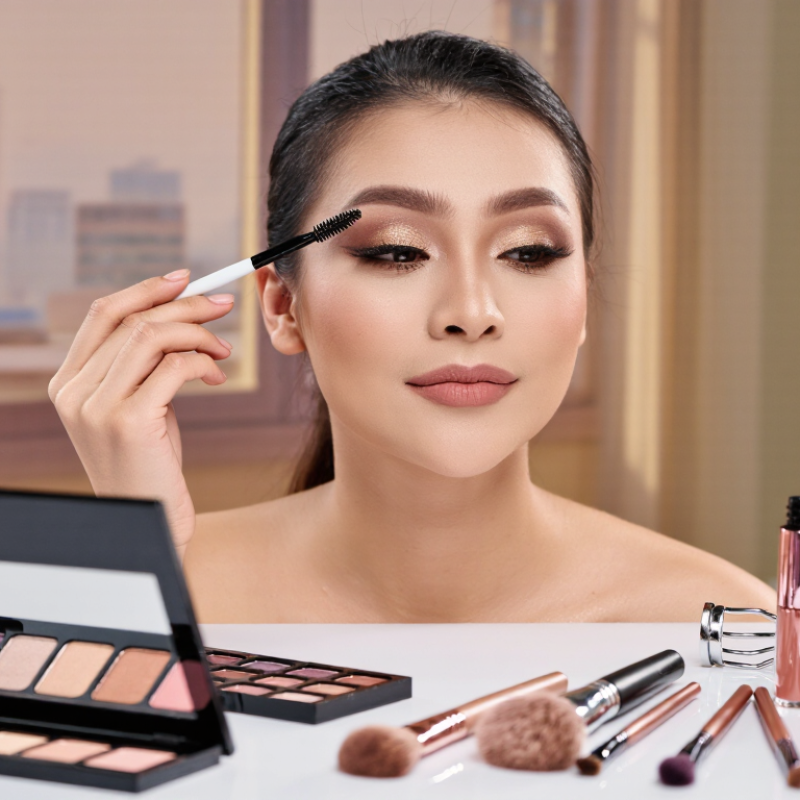
Why Transition Daytime Eye Makeup to a Night Look?

Time:2026-10-15 Author:Aria
0%

Daytime eye makeup often relies on soft shadows, clean edges, and natural-looking definition. Evening lighting changes that balance. Dim restaurants, warm bulbs, and camera flashes can make subtle color disappear. Learning how to transition daytime eye makeup to a night look helps you build intensity without removing your entire face.

A professional approach starts with observation, not excess product. Check your makeup in natural light before adding anything. Deepen the outer corner with a chocolate, charcoal, or plum shadow. Then, blend the edge with a clean brush until no harsh line remains. A narrow layer of black or brown liner can sharpen the lash line. Metallic champagne on the inner corner adds brightness, but too much may emphasize texture. I have made that mistake.

Use thin layers.

Experienced makeup artists often recommend pressing shadow onto the lid before sweeping it outward. This improves pigment control and reduces fallout. If the under-eye area looks dusty, wrap a tissue around your finger and gently lift the particles. Mascara can be refreshed after curling the lashes, although repeated coats may create clumps. Eye comfort matters too. Remove lenses before cleansing, and choose products suitable for your skin. Not every dramatic look suits every eye shape, outfit, or setting. That is worth remembering. This guide explores practical transitions, professional techniques, and small adjustments that help daytime eye makeup look polished after dark.

Why Transition Daytime Eye Makeup to a Night Look?

Understanding the Difference Between Daytime and Nighttime Eye Makeup

Why Transition Daytime Eye Makeup to a Night Look?

Understanding the Difference Between Daytime and Nighttime Eye Makeup

Daytime and nighttime eye makeup differ mainly in light, contrast, and purpose. Natural daylight reveals texture, harsh edges, and uneven blending. A daytime look usually benefits from soft neutrals, lighter definition, and restrained shimmer. The goal is to frame the eyes without making them dominate the face. In practical application, a small amount of taupe shadow often looks more polished than heavy black liner. Keep it breathable.

Night lighting is dimmer and less direct, so makeup needs stronger shape and contrast. Deeper shades along the outer corners can preserve definition in darker surroundings. A softly smoked lash line, layered mascara, or reflective inner-corner detail can add dimension. However, more product does not always create a better result. I once kept adding shadow under low restaurant lighting, then saw an overly dark ring outdoors. Check your makeup near a window before leaving. This simple habit exposes muddy edges and patchy transitions.

Transitioning from day to night works best when you adjust one feature at a time. Deepen the crease, reinforce the upper lash line, then assess the balance. Those with oily lids may need thin layers and careful setting. Sensitive eyes should avoid loose particles near the waterline and remove makeup gently before sleep. Eye shape, skin texture, and personal comfort matter more than fixed rules. Still learning.

Preparing the Eyes for a More Dramatic Evening Look

Why Transition Daytime Eye Makeup to a Night Look?

Preparing the Eyes for a More Dramatic Evening Look

Evening makeup needs more than darker color. It needs structure, contrast, and careful preparation. McKinsey’s 2023 beauty-market report projects global beauty sales to approach $580 billion by 2027. This growth reflects stronger demand for flexible, performance-focused routines.

Start by checking the daylight look. Soften patchy concealer around the eyes, then press a small amount of primer onto the lids. A fingertip can warm the product and reduce creasing. Add a medium brown shade through the crease, keeping the outer corner slightly lifted. Build slowly. Too much shadow can make tired eyes look heavier.

Now deepen the lash line with a dense brush. Smudge the color upward instead of drawing a harsh line. Add a satin shade to the center of the lid for controlled evening brightness. Circana’s 2024 U.S. beauty industry reporting continues to identify makeup as a key category for expressive, adaptable routines. The data supports versatility, but not endless layering.

Keep the lower lash line lighter than the upper line. It preserves openness. I sometimes overbuild the outer corner, then regret the result under warm restaurant lighting. Take a short break and reassess from a distance. Finally, curl the lashes and apply another coat only where volume has disappeared. Dramatic does not mean crowded.

Intensifying Eyeshadow Color, Contrast, and Definition

Daylight makeup is designed for clarity, not drama. Under stronger evening lighting, pale shadows can disappear completely. A night look needs richer pigment, sharper contrast, and controlled definition. McKinsey’s 2023 beauty industry report projects the global beauty market could reach about $580 billion by 2027. That growth reflects continued interest in makeup that supports personal expression and social occasions.

Begin by deepening the crease with a matte brown or muted plum shade. Keep the transition soft, but build the outer corner gradually. Press a darker color onto the lid instead of sweeping it everywhere. This creates density without making the eyes look flat. Contrast does the work. Add a lighter satin shade near the inner corner, leaving a visible difference between light and shadow. The FDA advises replacing eye products when their texture or smell changes. Clean tools also reduce avoidable irritation.

Definition should follow the eye’s natural structure. A thin upper lash line usually looks more refined than a thick, uneven stroke. Smudge the outer third for softness, then reinforce the lash roots. I sometimes overbuild the lower lash line, especially under warm restaurant lighting. It can make tired eyes look heavier. A mirror check from arm’s length helps. Keep the lid clean. According to the FDA, eye cosmetics should not be shared, and users should avoid applying them while moving. Small habits matter when stronger color and contrast attract more attention.

Enhancing Eyeliner, Lashes, and Eye-Catching Details

Why Transition Daytime Eye Makeup to a Night Look?

Daytime eye makeup can become evening-ready with controlled changes. The focus is not heavier makeup everywhere. It is sharper eyeliner, fuller lashes, and one deliberate detail. Circana reported a 15% increase in U.S. prestige makeup sales during 2023, showing strong interest in expressive makeup. McKinsey also projects the global beauty market could reach about $590 billion by 2030. These figures support a practical shift: consumers want versatile products and visible results.

Start by deepening the outer lash line with a soft pencil. Extend the wing slightly, then soften its edge with a small brush. Add a second mascara layer after the first dries. This creates separation without making the lashes look stiff. A satin shadow near the inner corner can catch low evening light. Metallic shades may look dramatic, but they can emphasize texture. I sometimes apply too much. Less can look more polished.

Tips: Keep the daytime base intact. Refresh only the eye area. Press a darker shadow over the liner for extra depth. Add individual lashes to the outer corner if needed. Check the result under warm and cool lighting. If the eyeliner feels uneven, do not keep thickening it. Remove the outer edge and redraw it. That small correction usually looks cleaner.

Balancing Nighttime Eye Makeup With the Overall Appearance

Nighttime eye makeup should work with the whole appearance, not compete with it. In my experience, darker shadows can look balanced indoors but harsh under bright restaurant lighting. I check the makeup beside the outfit, hair, and lip color before adding more intensity. A soft taupe or brown crease often creates depth without making the eyes appear heavy.

The rest of the face needs a quieter rhythm. Strong eyeliner pairs well with natural lips and softly defined cheeks. Shimmer can reflect candlelight beautifully, but concentrated sparkle may emphasize texture on the eyelids. I place it near the inner corner or center of the lid, then blend the edges carefully. Clean blending matters more than using several colors. It also helps to curl the lashes and keep mascara focused at the roots, especially when the eye look already feels dramatic.

I do not always get the balance right. Sometimes I add too much shadow and remove it with a cotton swab, which can disturb the base makeup. A small amount of concealer and a clean brush usually repair the area. I also test the look from different distances and under warm and cool light. Evening makeup should remain recognizable as part of the face. Let one feature lead. The others can support it quietly.

Why Transition Daytime Eye Makeup to a Night Look? — Balancing Nighttime Eye Makeup With the Overall Appearance

Makeup Dimension Daytime Approach Nighttime Adjustment Recommended Range or Change Reason for the Transition Balance With the Overall Appearance
Eyeshadow Intensity Soft, sheer, or lightly layered color. Build the same shade gradually through the crease and outer corner. 1–2 layers during the day; 2–3 layers at night. Lower evening light can reduce the visible contrast of softly applied makeup. Increase depth while keeping the main color family consistent with the outfit and complexion.
Color Depth Light to medium neutrals, muted pinks, taupes, or soft browns. Add a deeper version of the daytime shade to the outer corner or crease. Use one deeper coordinating shade rather than several unrelated colors. Gradual deepening creates definition without making the eye area look disconnected. Deepen the eyes when clothing or accessories are visually strong; keep the eyes softer with statement lips or jewelry.
Finish Matte or satin textures that reflect little light. Add controlled shimmer or a brighter satin shade to the center of the lid or inner corner. Apply shimmer to approximately one-third of the lid for a refined highlight. Reflective particles are more noticeable in evening lighting and can make the eyes appear more awake. Keep either the eyes or lips as the primary focal point to avoid visual competition.
Eyeliner Definition Thin upper-lash line or softly smudged pencil. Thicken the upper line slightly and soften the edges with a matching shadow. Keep the line close to the lashes; extend the outer corner only modestly. More definition helps the eyes remain visible in dimmer settings and photographs. Use a sharper line with minimal eyeshadow, or a softer line when the shadow is already smoky.
Lower Lash Line Often left bare or defined with a light neutral shade. Add a small amount of the crease shade along the outer half of the lower lash line. Define the outer half rather than surrounding the entire eye. Selective definition adds dimension while reducing the risk of a heavy or smaller-looking eye area. Keep the lower line lighter than the upper line for a lifted, balanced appearance.
Mascara One light coat focused on separation and natural lift. Add a second coat after the first has set slightly, concentrating on the upper lashes. 1 coat for natural definition; 2 coats for stronger evening emphasis. Additional volume and length improve lash visibility under lower-contrast lighting. Pair fuller lashes with a cleaner crease and controlled liner to prevent the eye area from looking crowded.
Eyebrow Definition Brush brows upward and fill only sparse areas. Refine the lower brow edge and tail without creating a solid block of color. Keep the brow color close to the natural hair depth. More defined brows frame stronger eye makeup and maintain facial structure. Balance bold eyes with softly blended brows; avoid making both features equally sharp.
Highlight Placement Use a subtle highlight under the brow or at the inner corner. Increase brightness slightly at the inner corner or center of the lid. Highlight one or two targeted areas instead of the entire brow bone. Focused light reflection adds freshness without flattening the eyes with excessive shimmer. Match the highlight intensity to the cheek and lip finishes for a cohesive look.
Contrast Level Low to moderate contrast between skin, eyeshadow, liner, and lashes. Increase contrast mainly through the outer corner, lash line, or crease. Raise contrast gradually rather than darkening every area equally. Strategic contrast creates depth and keeps the makeup dimensional. When the complexion and lips are understated, the eyes can carry more contrast; otherwise, use a moderate level.
Longevity Support Light layers are usually sufficient for shorter daytime wear. Use thin layers, allow creamy products to set, and reinforce areas prone to creasing. Build in thin layers instead of applying one thick layer. Layering improves control and can help reduce creasing, fading, and uneven wear. Long-wear preparation should preserve comfort; excessive product can make the overall appearance look heavy.
Overall Visual Balance Fresh, polished, and relatively understated. More depth, definition, and selective radiance. Emphasize no more than two major eye features at once. A night look needs stronger visual presence, but balance prevents an overly dramatic result. Coordinate eye intensity with hairstyle, clothing formality, lip color, blush, and lighting conditions.

Practical guideline: Transition the look by increasing definition and depth in small steps. The most balanced result usually comes from emphasizing one focal area—such as the crease, liner, shimmer, or lashes—while keeping the remaining elements controlled.

FAQS

How can I turn daytime eye makeup into an evening look?

Soften patchy concealer around the eyes. Press a little primer onto the lids. Build medium brown through the crease gradually. Keep the outer corner slightly lifted.

How can I make eyeshadow look deeper without making it heavy?

Press darker color onto the lid instead of sweeping it everywhere. Add matte brown or muted plum through the crease. Contrast creates depth. Build slowly.

Where should I add evening brightness?

Place satin shadow on the center of the lid or inner corner. Keep a visible difference between light and shadow. Metallic color can emphasize texture.

How should I intensify eyeliner for nighttime?

Deepen the outer lash line with a soft pencil. Extend the wing slightly, then blur its edge. Reinforce the lash roots. Avoid making a thick, uneven stroke.

What can make lashes look fuller without appearing crowded?

Curl the lashes and add another mascara coat after the first dries. Apply extra volume only where it disappeared. Separate the lashes carefully.

Should I darken the lower lash line too?

Keep it lighter than the upper line. This preserves openness. I sometimes overbuild it under warm restaurant lighting. It can make tired eyes look heavier.

How can I check whether the finished look works?

View it from arm’s length. Check under warm and cool lighting. Take a short break before deciding. Not perfect every time.

What should I do if my eyeliner becomes uneven?

Do not keep thickening the line. Remove the outer edge with a small tool. Redraw it more lightly. That correction usually looks cleaner.

How can I use eye products more safely?

Replace products when their texture or smell changes. Keep tools clean. Do not share eye cosmetics. Avoid applying makeup while moving. Small habits matter.

Conclusion

Transitioning daytime eye makeup into an evening look is about adding depth, contrast, and definition without completely starting over. The process begins by refreshing the eye area, blending away creases, and creating a smooth base. To learn how to transition daytime eye makeup to a night look, build on the existing colors by layering richer shades, deepening the outer corners, and adding subtle contrast along the crease and lash line. This creates a more dramatic effect while keeping the makeup balanced and polished.

Eyeliner can be intensified with a thicker line, a softly smoked edge, or a refined wing, while additional mascara or carefully applied lashes can make the eyes appear more open and defined. Eye-catching details, such as a touch of shimmer or a brighter inner corner, can add evening appeal. Finally, consider the entire appearance: stronger eye makeup pairs best with coordinated complexion, brows, lips, hair, and outfit choices for a confident and harmonious night look.

Aria

Aria

Aria is a dedicated marketing professional with a deep passion for innovative strategies and a keen understanding of our company's product offerings. With a wealth of experience in the industry, Aria excels at crafting engaging content that highlights the unique features and benefits of our......